A home maintenance checklist for Cape Town is most useful at the start of spring. Winter rain and wind can expose weak seals, blocked drainage, damp patches, rust and small plumbing problems. Checking them now gives you time to arrange repairs before summer heat, stronger south-easterly winds and holiday-season plans make maintenance more disruptive.
You do not need to renovate the whole property. The aim is to find the small defects that could become expensive if water, movement or corrosion is allowed to continue. Walk around the home slowly, take photographs, and make one list divided into urgent safety work, water-related repairs and cosmetic improvements.
This practical ten-point inspection covers the areas CM Tech most often sees on Cape Town homes: water entry, plumbing, ceilings, exterior surfaces, gates, fencing and everyday property repairs.
Why use a home maintenance checklist for Cape Town in spring?
Cape Town’s wet winter months can reveal leaks and drainage problems that stay hidden during dry weather. Once the rain eases, surfaces are easier to inspect and there is normally a better opportunity to repair, seal, prepare and paint them properly.
Spring is also a useful planning window. If you want security upgrades, a new gate, ceiling work or a collection of smaller repairs completed before December, identifying the scope early makes it easier to group the work and avoid repeated call-outs.
1. Look for roof leaks and signs of water entry
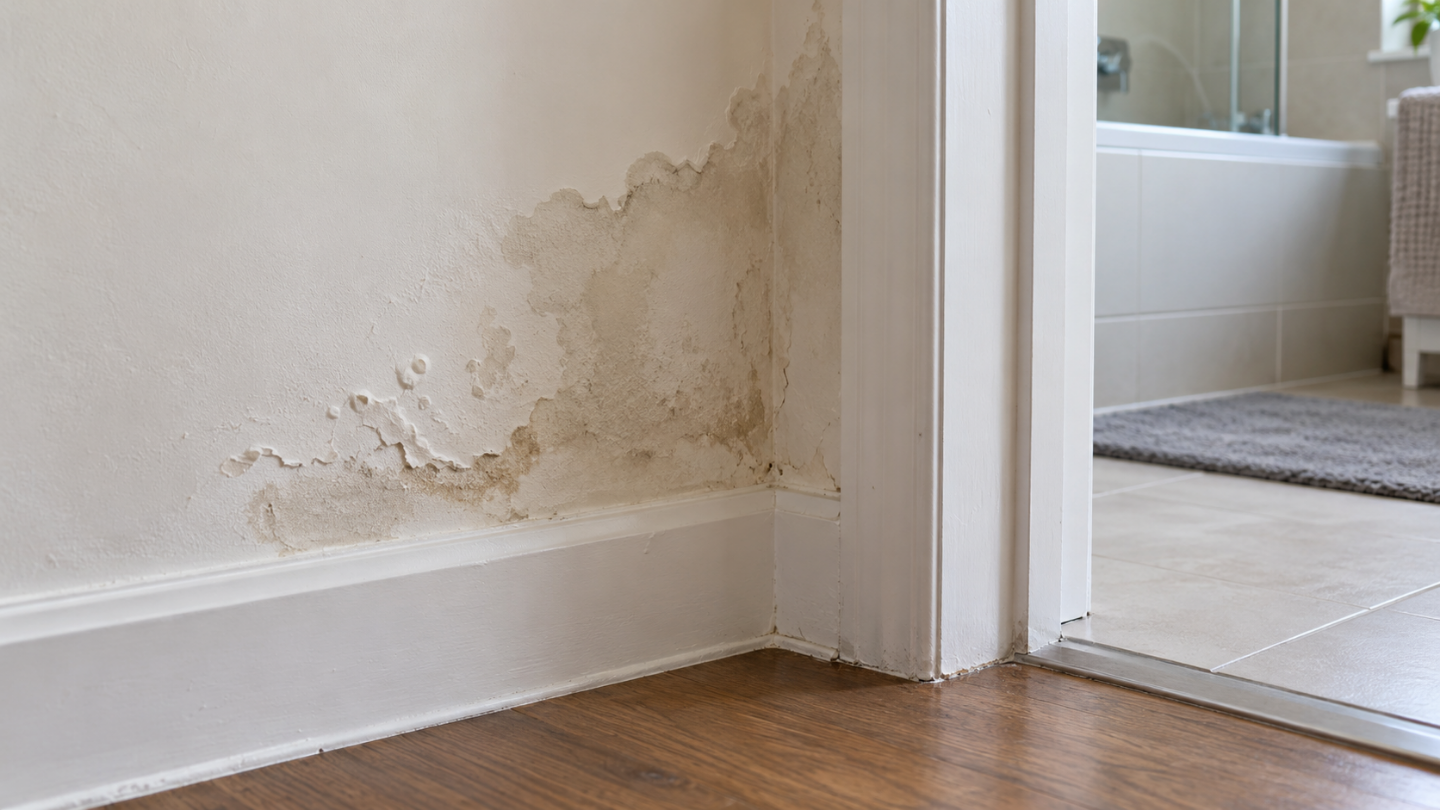
Start inside the home before climbing anywhere. Look for brown rings, bubbling paint, swollen timber, mould, peeling finishes and damp smells near ceilings, windows and exterior walls. Photograph each mark and check whether it changes after rain.
- Inspect from ground level where possible; do not walk on a wet, damaged or unfamiliar roof.
- Check flashings, roof junctions and visible sealant for gaps or deterioration.
- Trace the source before repainting. Covering a stain does not stop the water entry.
- Treat active leaks and sagging ceilings as priorities, especially near lights or electrical fittings.
2. Clear gutters, downpipes and drainage routes
Leaves, roof debris and wind-blown dirt can block gutters and downpipes. Water that cannot escape may overflow against fascia boards, walls and foundations. During a safe ground-level inspection, look for plants growing in gutters, streaks below joints, loose brackets and damp areas where downpipes discharge.
Make sure water is directed away from the building and that surface drains are not covered by soil, leaves or building materials. If a ladder, roof access or work at height is required, use a suitably equipped contractor.
3. Test for hidden plumbing leaks
Small plumbing leaks can waste water and damage cupboards, floors, ceilings and walls before they become obvious. Check under basins, around toilets, behind washing machines, near the geyser tray and overflow, and around outdoor taps.
A simple meter check can help identify an unseen leak: switch off all water-using fixtures and appliances, note the meter reading, wait about 15 minutes without using water, and check it again. The City of Cape Town’s water-meter guidance explains this test. If the reading moves, arrange leak detection and repairs instead of waiting for the next bill.
For leaking taps, toilets, pipes or other faults, see CM Tech’s plumbing services in Cape Town.
4. Check exterior cracks, joints and sealants
Inspect plaster, parapets, window surrounds, door frames and places where different materials meet. Hairline surface cracks are not the same as wide, stepped or expanding cracks. Mark and photograph anything that appears new so that you can monitor it.
Failed sealant around openings can allow wind-driven rain into the property. Loose or brittle sealant should be removed and replaced with a product suited to the joint and exterior conditions. Large, recurring or movement-related cracks should be assessed by an appropriately qualified professional before cosmetic repairs begin.
5. Inspect boundary walls, fences and gates
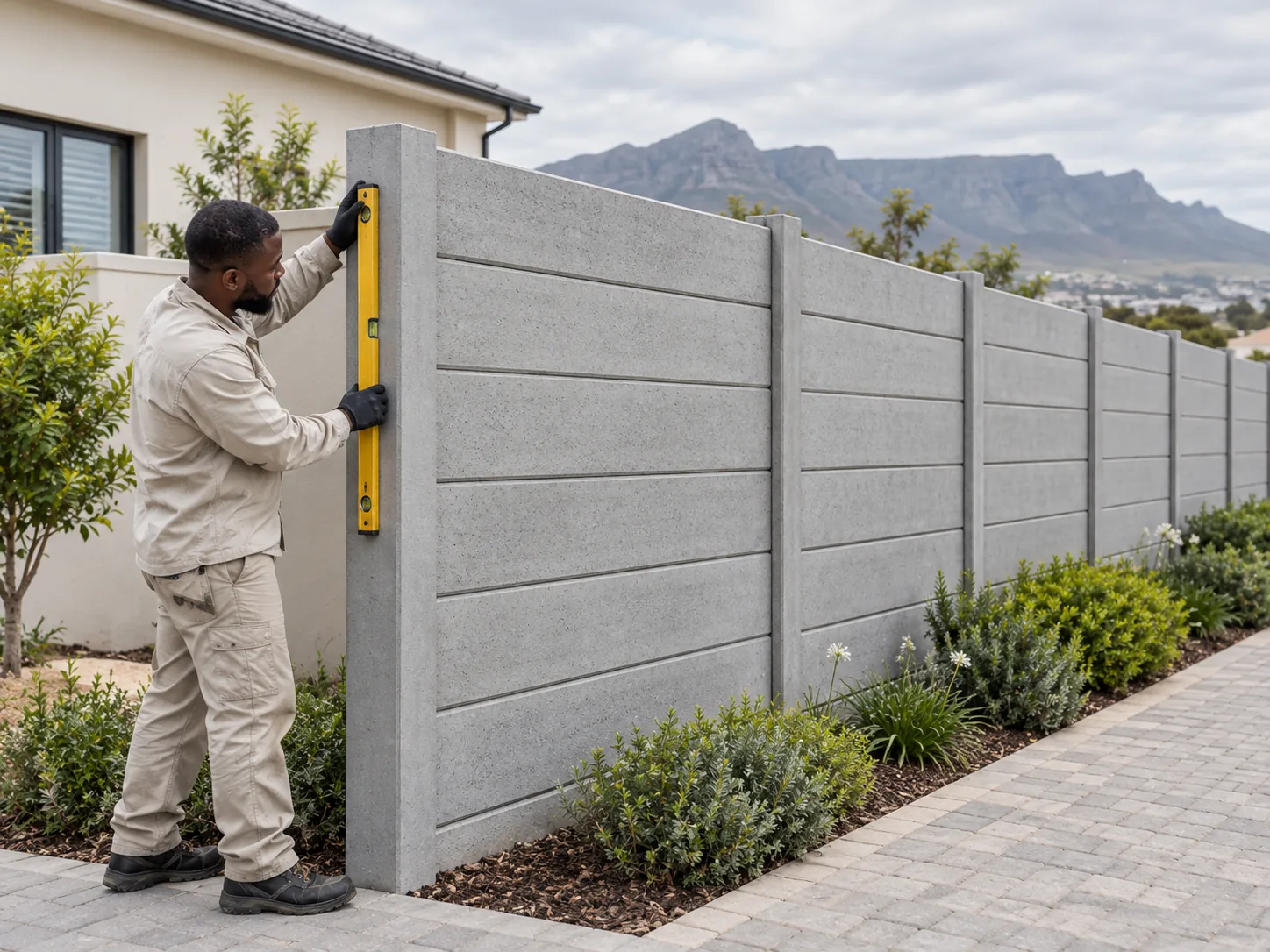
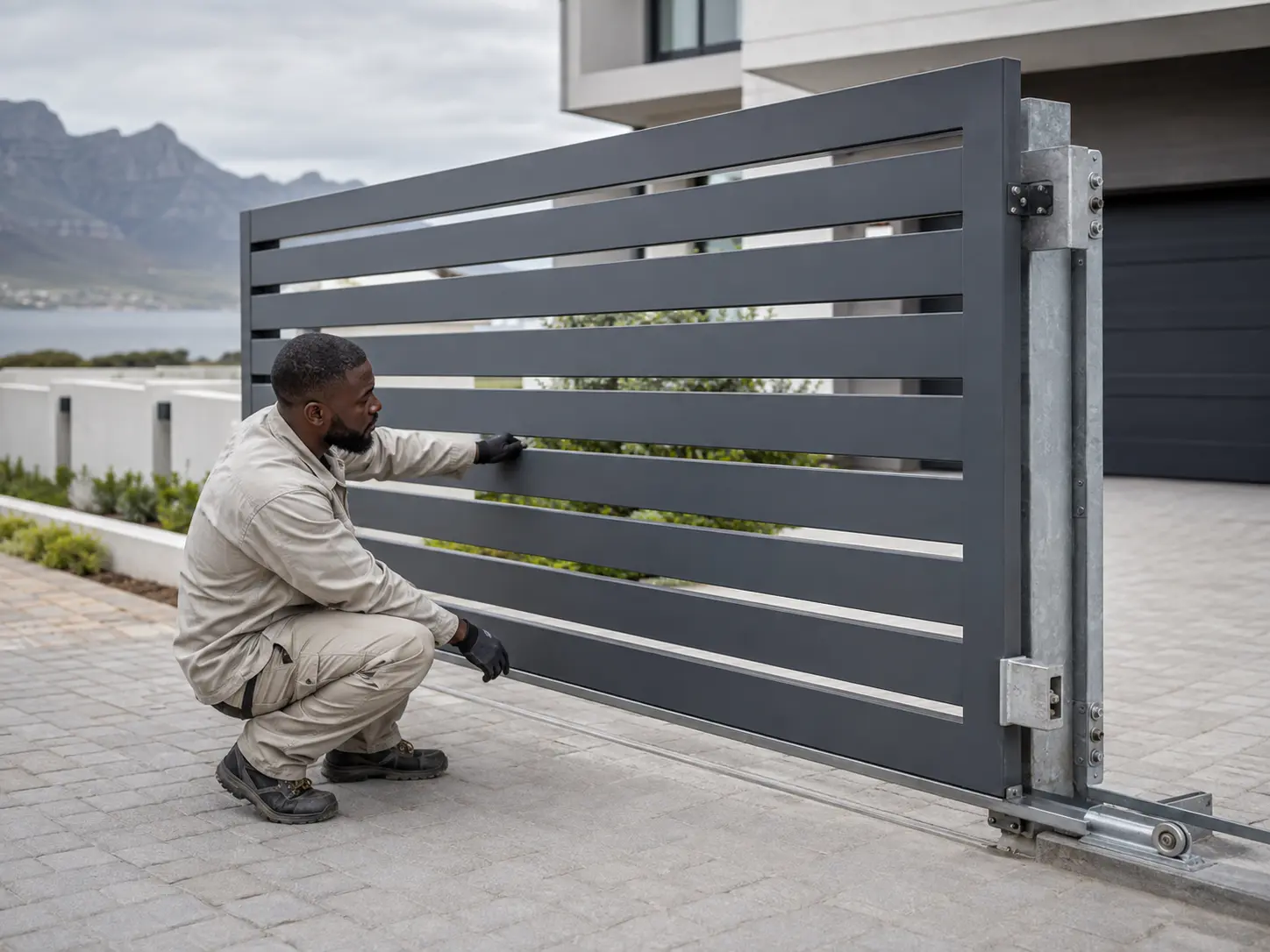
Security structures work every day and are easy to ignore until a gate jams or a wall becomes unstable. Check posts, hinges, wheels, guides, locks, tracks, welds, fasteners and automation equipment. Watch for rust at welds and bottom rails, loose fence panels, leaning posts and cracks around wall sections.
- Clean debris from sliding-gate tracks and drainage points.
- Do not keep operating a gate that drags, jumps or binds; the extra load can worsen the fault.
- Repair coating damage before corrosion spreads beneath the surrounding paint.
- Keep people away from any loose wall, fence or gate until it has been made safe.
If repairs or replacement are needed, explore CM Tech’s steel gates and fencing services.
6. Test doors, windows and everyday security hardware
Open and close exterior doors and windows. Check that locks engage without forcing them, handles are secure, hinges are not pulling away and frames do not show signs of water damage. Replace missing screws with the correct type instead of using an undersized temporary fix.
Also inspect burglar bars and security gates for loose fixings, rust or cracked welds. A security feature is only as strong as its attachment to the surrounding structure.
7. Examine ceilings and damp-prone rooms
Bathrooms, kitchens and rooms below roof or plumbing lines deserve close attention. Look for loose panels, staining, mould, soft areas and joints that have opened. First solve the moisture source; then allow the area to dry before repairing or replacing the finish.
Where an old ceiling is damaged or a low-maintenance upgrade is planned, read about PVC ceiling installation in Cape Town. The correct ceiling choice still depends on the room, substrate, ventilation and cause of the original damage.
8. Check paving, steps and outside walking areas
Uneven pavers, cracked steps, loose nosings and slippery growth can become trip hazards. Check paths used after dark, entrances, pool surrounds and the route between parking and the front door. Confirm that paving slopes and drains move water away rather than allowing it to pond against the building.
A small isolated settlement may need a local repair. Widespread movement or repeated sinking can indicate a drainage or base problem that should be investigated before the surface is relaid.
9. Inspect outdoor taps, hoses and irrigation
Check hose connections, garden taps, irrigation valves and sprinkler heads while the system is running. Redirect sprinklers that repeatedly wet walls, gates, electrical equipment or timber. Constant wetting can accelerate corrosion, damage finishes and hide leaks.
Replace perished washers and damaged hoses, and make sure outdoor pipework is supported. Water appearing far from a fitting may be travelling underground, so unexplained wet patches should not be ignored.
10. Do a basic electrical and safety check
Test lights, security lighting and plug points through normal use only. Warning signs include repeated tripping, scorch marks, buzzing, loose fittings, damaged covers, heat or a burning smell. Switch off and stop using affected equipment, and have electrical faults assessed by a qualified person. Do not remove distribution-board covers or attempt live electrical repairs yourself.
Check smoke alarms where fitted, replace expired fire-extinguishing equipment through an approved service provider, and make sure exits and access routes are clear.
How to prioritise your maintenance list
A long list is easier to manage when it is sorted in this order:
- Safety first: unstable walls, damaged gates, electrical warning signs and sagging ceilings.
- Stop water next: active leaks, blocked drainage, failed seals and unexplained meter movement.
- Protect the structure: corrosion, cracks, loose fittings and surfaces that need preparation.
- Improve appearance last: painting and cosmetic finishing after the cause of damage has been repaired.
Grouping related repairs can save time. For example, investigate a ceiling stain, repair the leak, allow the area to dry and only then complete the ceiling and paint work. Reversing that order often means paying for the same finish twice.
What can you do yourself, and when should you call a contractor?
Homeowners can safely make a visual list, take photographs, clear accessible ground-level debris, test normal operation and monitor a water meter. Work involving electricity, unstable structures, roof access, heavy gates, specialist waterproofing or hidden leaks should be left to people with the right equipment and experience.
A clear contractor brief should identify the defect, likely cause, proposed repair, materials, exclusions, access needs and who is responsible for removing waste. Ask whether the repair addresses the cause or only the visible symptom.
How often should a Cape Town home be checked?
A practical routine is to inspect the property at least twice a year: once after the main winter rains and again before the following wet season. Coastal or highly exposed homes, rental properties and buildings with a history of leaks may need more frequent checks.
You should also inspect after severe wind, unusually heavy rain, building work, plumbing failures or vehicle impact near a wall or gate. A brief check soon after an event can prevent a small problem from being forgotten.
Need help with property maintenance in Cape Town?
CM Tech handles general repairs and coordinated property-maintenance work across Cape Town, including plumbing, ceilings, gates, fencing, vibracrete and related upkeep. Visit our general maintenance services in Cape Town page, or contact us to arrange an assessment and no-obligation quotation.
Call or WhatsApp 071 499 6667.
Frequently asked questions
What should be checked first during spring home maintenance?
Start with safety hazards and active water problems. Unstable structures, electrical warning signs, sagging ceilings, roof leaks, blocked drainage and plumbing leaks can cause the greatest damage or risk if they are delayed.
How can I tell whether my property has a hidden water leak?
Switch off all water use, record the water-meter reading, wait about 15 minutes without using water and check again. Movement may indicate a leak. A plumber can then investigate and repair the source.
Should I paint over damp marks once winter is over?
No. First identify and repair the source of the moisture, allow the affected materials to dry, and replace anything that is damaged. Painting too early can trap moisture or allow the stain to return.
When should a crack be professionally assessed?
Seek professional advice if a crack is wide, stepped, increasing, repeatedly reappears, affects a structural element or is accompanied by movement, sticking doors or uneven floors.
Can one contractor handle several small maintenance jobs?
Often, yes. A coordinated scope can combine related repairs and reduce repeated call-outs. Make sure the quotation states what will be repaired, which materials are included and whether waste removal and finishing are part of the work.