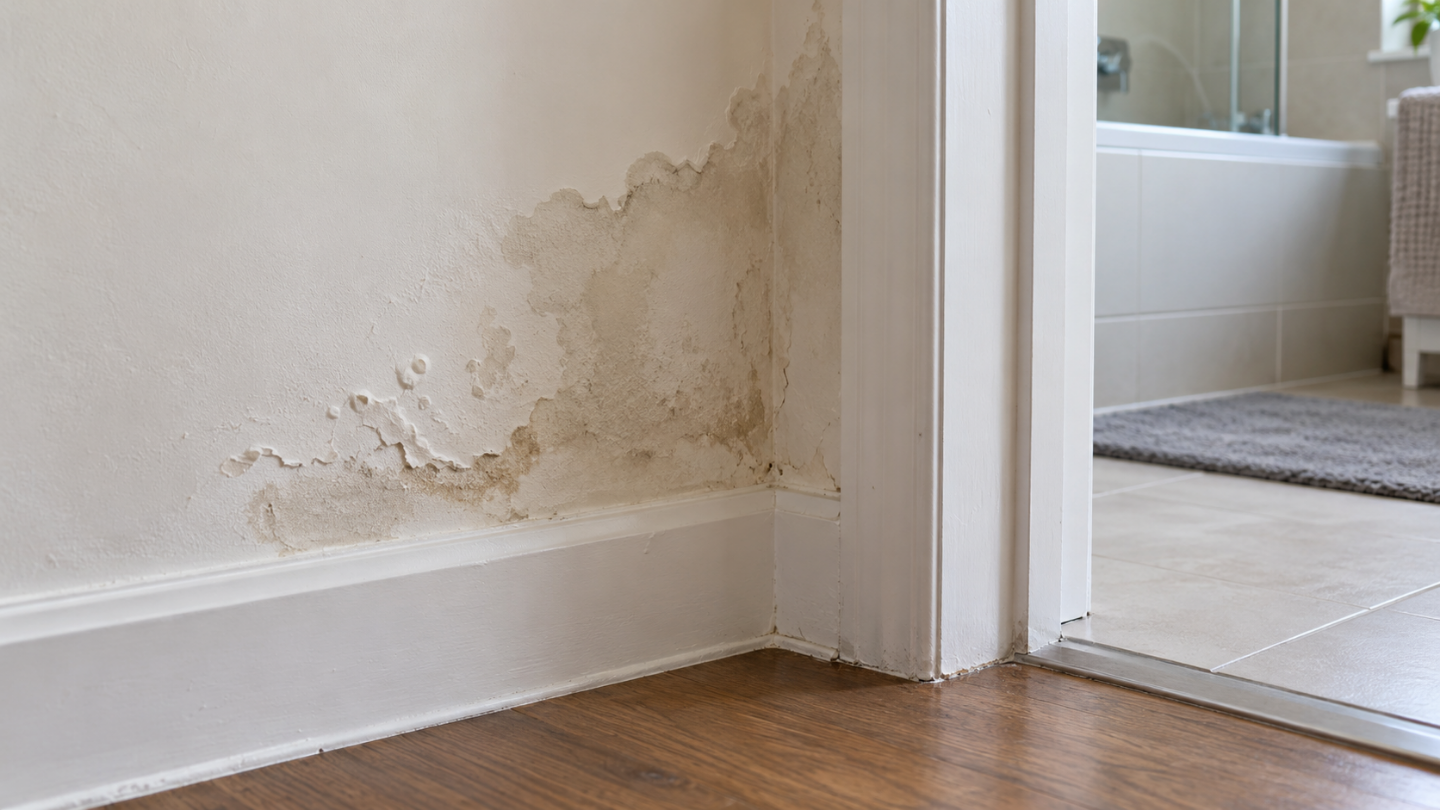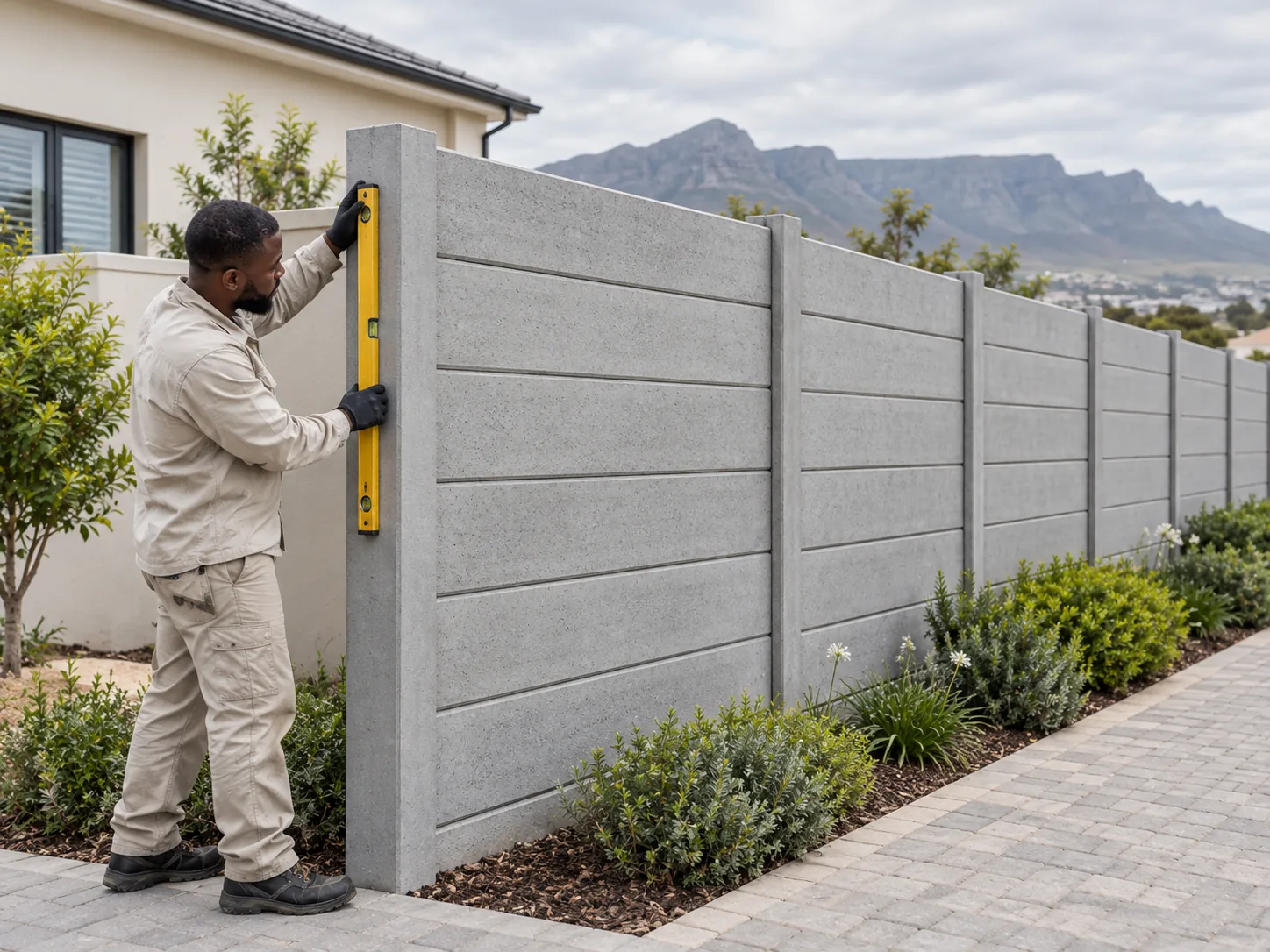
Galvanised steel gates in Cape Town are often compared with painted gates for their rust protection, maintenance needs and long-term value. A new steel gate can look perfect on installation day, but the real test begins after its first Cape winter. Rain, moisture, irrigation and wind-blown salt can attack exposed mild steel, especially around welds, hinges, locks, corners and sections close to the ground. The finish is therefore not only a colour choice. It is part of the gate’s corrosion-protection system.
If you are comparing painted and galvanised steel gates in Cape Town, the short answer is this: a professionally painted gate can be a sensible option in a sheltered position or where the initial budget is the main concern, but hot-dip galvanising usually provides stronger long-term protection with less frequent maintenance. For highly exposed or coastal properties, a duplex finish – hot-dip galvanising plus a compatible paint or powder coat – is often the strongest practical combination of durability and appearance.
There is no honest one-size-fits-all lifespan. The correct choice depends on the property’s exposure, the quality of the fabrication, surface preparation, coating system, gate design and future maintenance. Here is what Cape Town homeowners should know before approving a quote.
What is a painted steel gate?
A painted steel gate is normally fabricated from mild steel, prepared, primed and finished with one or more top coats. The paint acts as a barrier between the steel and the environment. When the preparation and coating are done correctly, the result can be smooth, attractive and available in almost any colour.
The performance of a painted gate depends on more than the final colour. Important factors include:
- Removing rust, mill scale, grease and welding contamination before coating.
- Using a suitable primer and compatible exterior top coat.
- Covering sharp edges, welds, corners and hard-to-reach areas properly.
- Allowing the coating to cure before transport and installation.
- Repairing scratches, chips and site-welded areas promptly.
Paint protects only while the barrier remains sound. Once moisture reaches bare steel through a chip, pinhole or worn edge, rust can develop beneath the surrounding paint. That is why early touch-ups and periodic repainting are important.
What is a hot-dip galvanised steel gate?
With hot-dip galvanising, the completed steel fabrication is immersed in molten zinc after the main welding and fabrication work has been completed. The zinc reacts with the steel and forms a metallurgically bonded coating rather than simply sitting on the surface like ordinary paint.
The Hot Dip Galvanizers Association of Southern Africa explains that zinc protects by forming a durable barrier and can also provide cathodic, or sacrificial, protection to small exposed areas. In practical terms, a minor scratch does not immediately leave the steel as vulnerable as a similar scratch through an ordinary paint coating.
Hot-dip galvanising must not be confused with galvanised primer or zinc-rich paint. Those products may form part of a useful paint system, but they are not the same as immersing the completed gate in molten zinc.
| Important fabrication point: A gate should be designed for hot-dip galvanising before it is fabricated. Hollow sections need suitable vent and drain openings, and the fabricator must allow for coating on holes, threads, hinges and lock components. The gate should be inspected and trial-fitted after galvanising and before final installation. |
Painted vs galvanised steel gates: quick comparison
| Factor | Painted steel | Hot-dip galvanised steel |
| Initial cost | Often lower for a standard professional paint system. | Usually higher because the completed gate must be transported, dipped and prepared after galvanising. |
| Protection method | Barrier protection. Performance depends on the coating remaining intact. | Barrier protection plus sacrificial zinc protection at small damaged areas. |
| Scratches and chips | Bare steel should be repaired quickly to prevent rust spreading under the coating. | Small damaged areas receive some protection from nearby zinc; larger damage still requires proper repair. |
| Appearance | Smooth finish with a wide colour choice. | Natural silver-grey zinc finish that can vary in tone; it can also be painted or powder-coated correctly. |
| Maintenance | Regular inspection, touch-ups and eventual repainting should be planned. | Normally less frequent corrosion maintenance, but still needs cleaning and inspection. |
| Best suited to | Sheltered gates, budget-led projects and owners comfortable with planned maintenance. | Fully exposed gates, coastal conditions and projects where lower long-term maintenance is important. |
Do galvanised steel gates in Cape Town last longer?
Under similar exposure and with competent workmanship, hot-dip galvanised steel will generally last longer before major corrosion maintenance is required. This does not mean every galvanised gate will last the same length of time, or that a painted gate will fail quickly. The environment and the quality of the work remain decisive.
Factors that change the maintenance cycle include:
- Distance from the coast and exposure to salt-laden wind.
- Whether the gate is sheltered by buildings or directly exposed to rain.
- Sprinklers, pool chemicals, garden moisture and standing water.
- Water traps in the design, blocked drainage points or steel touching soil.
- Coating thickness, surface preparation and coverage around welds and edges.
- Damage during transport, installation or everyday operation.
- How soon small defects are cleaned and repaired.
Homes along the Atlantic Seaboard, Table Bay and False Bay generally need more attention to airborne salt than sheltered inland properties. However, two homes in the same suburb can experience different conditions because of wind direction, nearby buildings, vegetation, irrigation and drainage. A site assessment is more reliable than choosing a finish from the suburb name alone.
What about powder coating?
Powder coating provides a durable, neat colour finish, but it is still mainly a barrier coating. Powder applied directly over bare steel depends on that layer remaining intact. If the coating is damaged or preparation was poor, moisture can reach the steel and corrosion may travel beneath the finish.
When paint or powder coating is applied over hot-dip galvanised steel, the combination is called a duplex system. The coloured top coat protects the zinc from direct exposure, while the zinc helps protect the steel if the outer coating is damaged. The result can offer longer maintenance intervals than either system used on its own.
Correct preparation is essential. The HDGASA guidance on painting galvanised steel stresses the importance of cleaning and preparing the zinc surface so the top coat can bond properly. Freshly galvanised steel should not simply receive ordinary paint without the appropriate preparation and compatible coating system.
Which option is right for your property?
Choose a professionally painted gate when:
- The gate is reasonably sheltered from rain and salt exposure.
- A lower initial cost is important.
- You want a specific colour or decorative finish.
- The gate is accessible for inspections, touch-ups and repainting.
Choose hot-dip galvanising when:
- The gate will remain fully exposed outdoors.
- The property experiences salt air, heavy winter rain or regular irrigation.
- You want stronger long-term rust protection and less frequent maintenance.
- The gate is difficult or disruptive to remove and repaint later.
Choose a duplex finish when:
- The property is coastal or highly exposed.
- You want both galvanised protection and a particular colour.
- The appearance of the gate is important but so is a longer maintenance cycle.
- You are willing to invest more upfront to reduce future corrosion work.
Seven questions to ask before accepting a steel gate quote
- Will the completed gate be hot-dip galvanised after fabrication, or is the quote only for a zinc-rich primer?
- Is the colour finish being applied over bare steel or over a galvanised base?
- What surface preparation, primer and top-coat system will be used?
- Was the gate designed with the correct venting, drainage and allowances for galvanising?
- How will cut, drilled or site-welded areas be repaired after installation?
- How will hinges, wheels, guides, locks and automation components be protected and tested?
- What cleaning, inspection and maintenance does the finish require, and what does the warranty actually cover?
How to maintain any exterior steel gate
- Rinse away salt, dust and bird droppings with fresh water periodically, especially in coastal areas.
- Inspect welds, corners, hinges, locks, bottom rails and areas close to the ground.
- Repair coating damage early with a compatible repair system instead of waiting for rust to spread.
- Keep drainage openings clear and redirect sprinklers that repeatedly wet the gate.
- Correct dragging wheels, loose hinges and misalignment before movement damages the coating.
- Use a qualified steel fabricator for repairs that involve cutting or welding, and ensure damaged corrosion protection is restored afterward.
CM Tech’s recommendation for Cape Town homes
For most fully exposed driveway gates, pedestrian gates and boundary steelwork in Cape Town, hot-dip galvanising after fabrication is the stronger long-term base. Where a premium colour finish is required, a properly prepared paint or powder coat over the galvanised steel provides an excellent combination of appearance and protection.
A professional paint system can still be the right choice for a sheltered gate or a budget-conscious project, provided the owner understands the maintenance requirement. The best specification should follow a site assessment rather than a blanket promise that one coating suits every property.
Need a custom steel gate in Cape Town?
CM Tech designs, fabricates and installs painted and galvanised steel gates in Cape Town, including sliding driveway gates, swing gates, pedestrian security gates and steel fencing. We can discuss painted, hot-dip galvanised and duplex finish options based on your property’s exposure, design and budget. Explore our steel gates and fences in Cape Town service, or contact us for a no-obligation assessment and quotation.
Call or WhatsApp 071 499 6667.
Frequently asked questions
Are galvanised steel gates always better than painted gates?
For corrosion protection and lower long-term maintenance, hot-dip galvanising is usually the stronger base. A professionally painted gate can still be suitable in a sheltered position, for a lower initial budget or where regular maintenance is easy.
Can a galvanised steel gate be painted?
Yes. Paint or powder coating can be applied over hot-dip galvanised steel to add colour and further protection. The zinc surface must be cleaned and prepared correctly, and the coating system must be compatible with galvanised steel.
Does powder coating stop a steel gate from rusting?
Powder coating provides a strong barrier, but it is not a guarantee against rust. Damage, pinholes or poor surface preparation can allow moisture to reach bare steel. Powder coating over a properly prepared galvanised base offers stronger combined protection.
Why do steel gates often rust around welds and hinges?
These areas can be difficult to clean and coat evenly, and they experience movement, water retention and wear. Good fabrication, correct surface preparation, full coating coverage and early repairs help prevent localised corrosion.
What is the best gate finish near the ocean in Cape Town?
For highly exposed coastal properties, hot-dip galvanising with a compatible exterior paint or powder coat is often the best practical combination. The exact system should still be chosen after inspecting the property’s exposure and gate design.
Is a galvanised gate maintenance-free?
No exterior gate is completely maintenance-free. Galvanising normally reduces the frequency of corrosion maintenance, but the gate should still be cleaned, inspected and repaired if the coating is badly damaged.